
How smart home technology could help reduce your carbon footprint

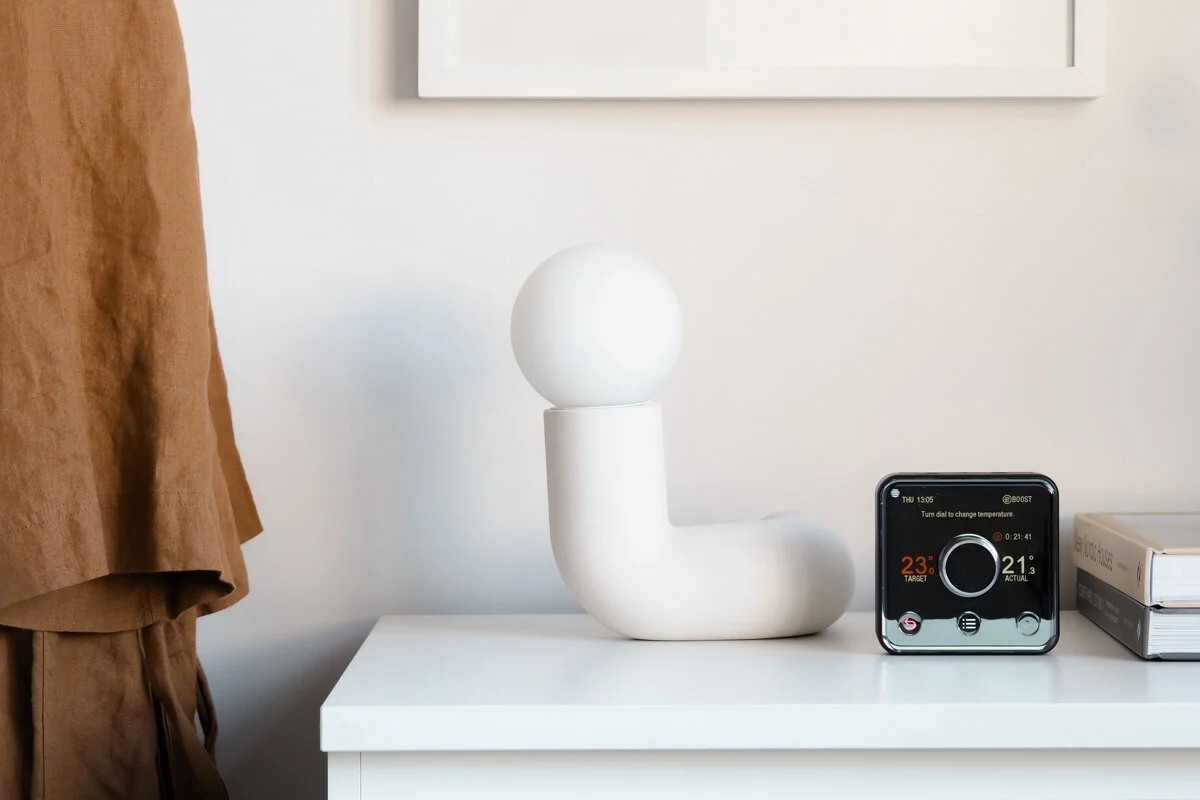
AD – in collaboration with Smart Energy GB
I’ve had an interest in smart home technology for a while now and am often sent products for review. It can be a lot of fun trying out different gadgets, but I’ve increasingly found myself weighing up my enjoyment of the latest devices with the impact they have on our privacy and the amount of data they allow big companies to collect about us.
As we move into a world where smart home technology becomes more and more integrated with our daily lives the companies we place our trust in will need to address these concerns. Our personal data is becoming an increasingly valuable commodity and, in exercising our choice as consumers, we should all be holding companies accountable when it comes to demonstrating that they are using it responsibly.
At the same time, I’ve also increasingly been thinking about how I can reduce my carbon footprint, and one of the reasons I’ve decided to embrace smart home technology is because I’m keen to use it to monitor our energy consumption and see if it can help us to heat and run our home more efficiently.
Of course no single action we take as individuals is going to solve the current climate crisis. Collective action on a global scale is needed, but with the media spotlight increasingly falling on the scale of the problem it’s all too easy to beat ourselves up about all the things we aren’t doing rather than focusing on simple everday changes we can implement.
So if you are looking for small steps you can take to reduce energy waste here are a few smart home devices it may be worth considering.
Smart Kettles
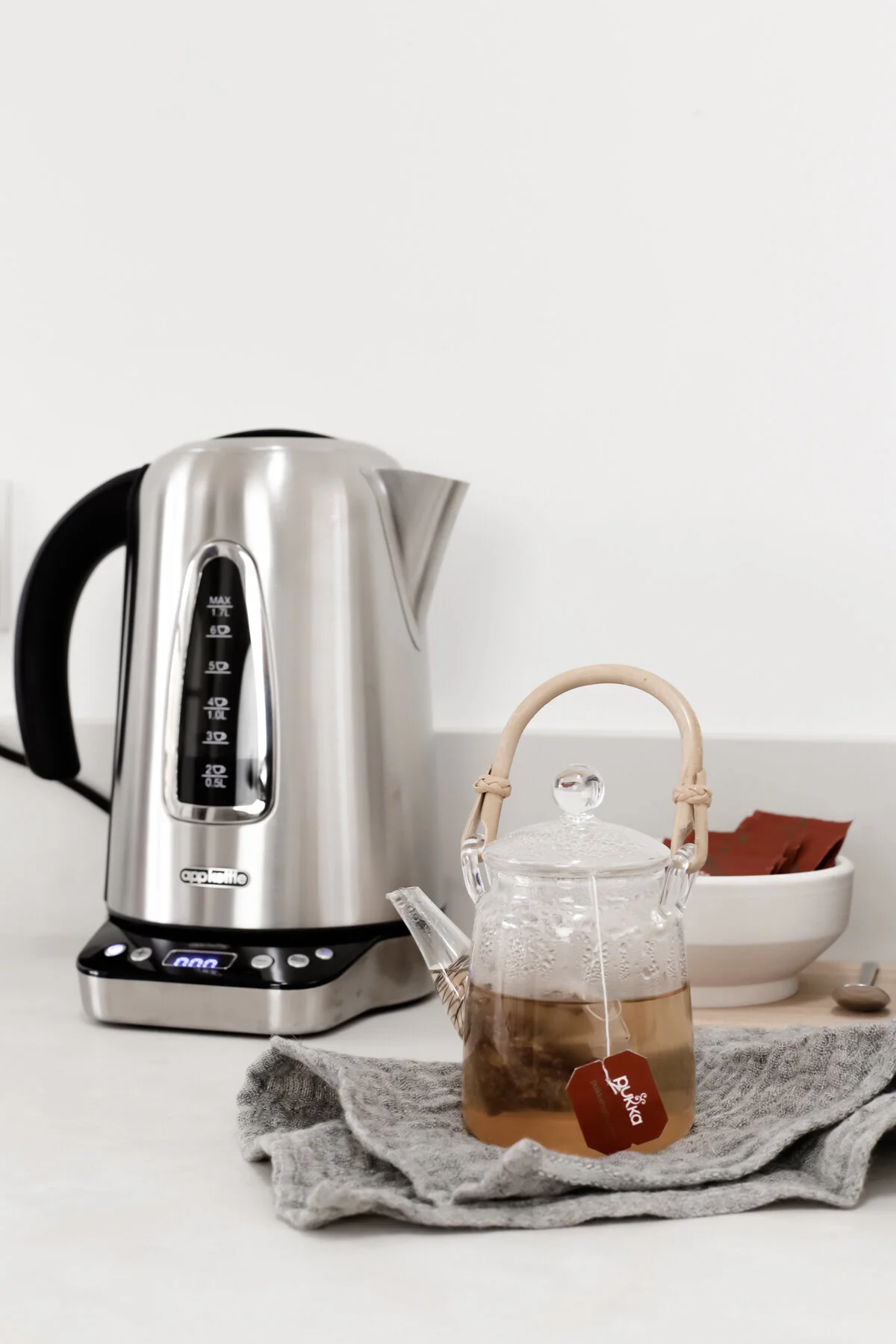
Smart kettles can be programmed to allow you to control when you want the water heated and the exact temperature you would like it heated to. Tea with milk is apparently best made with water at 71 degrees whereas the perfect cup of green tea requires water boiled to around 82 degrees. Who knew?
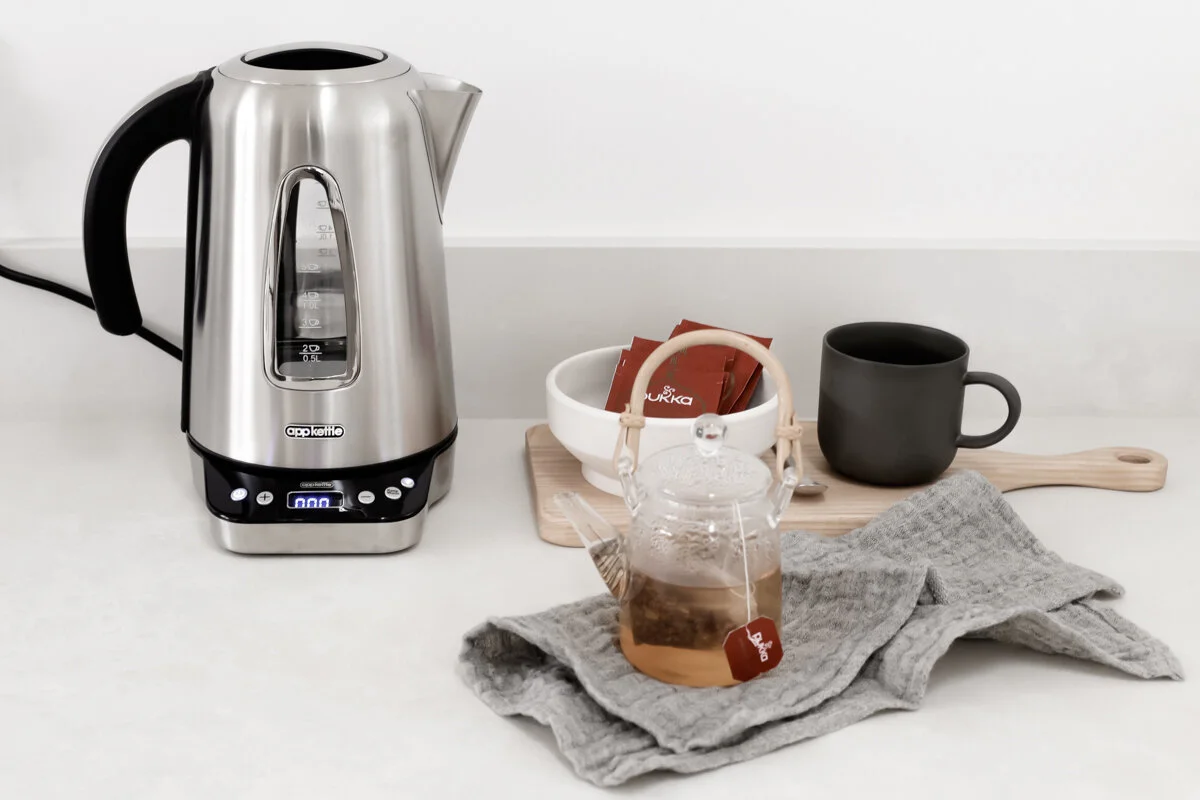
Some, like the Appkettle I’ve recently been testing, can also be controlled via an app on your smartphone or voice activated through a home assistant device like Alexa. The kettle contains a volume sensor that measures the amount of water it contains and enables it to calculate the precise amount of energy is needed to heat it to the required temperature, and how long it will take.
The scheduling function allows me to control when it’s turned on so I can fill the kettle in advance and then boil the water exactly when I need it from my smartphone. This is useful if I want to quickly nip into the kitchen during the ad break when I’m watching TV, or have the kettle ready boiled for my first cuppa of the day when I come downstairs in the morning.
smart thermostats
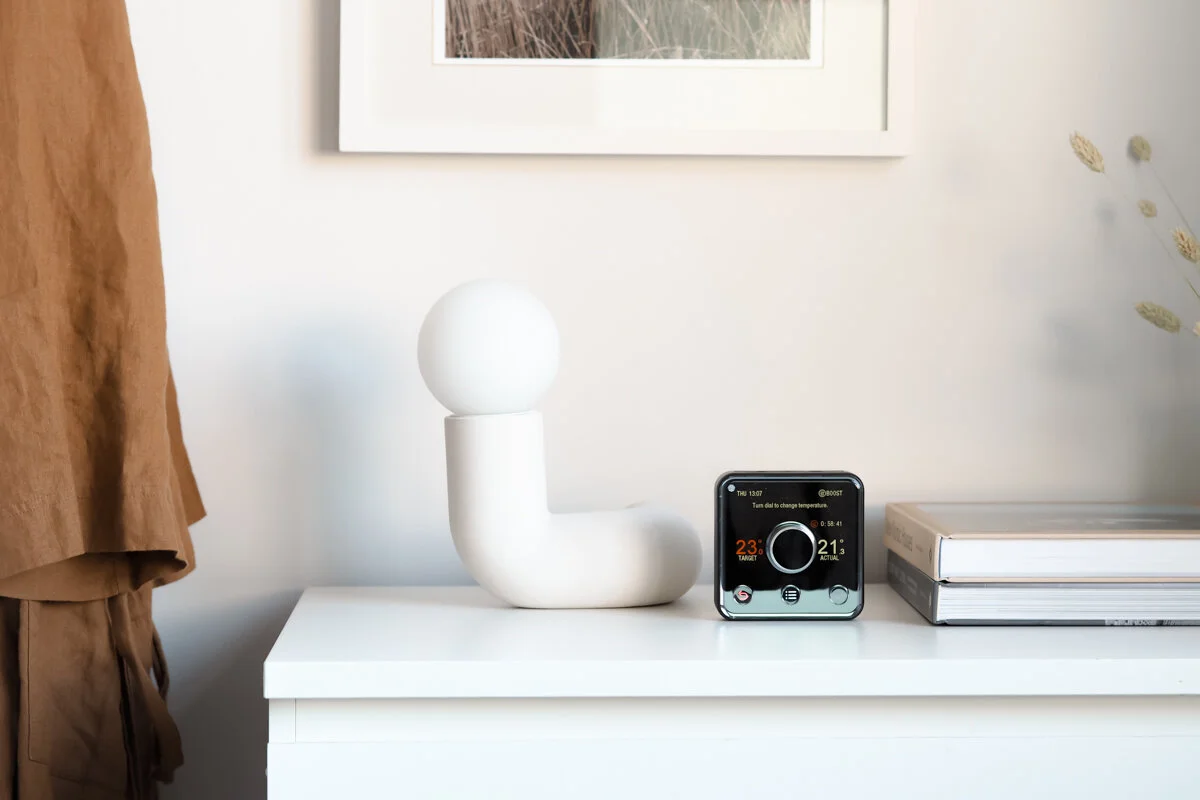
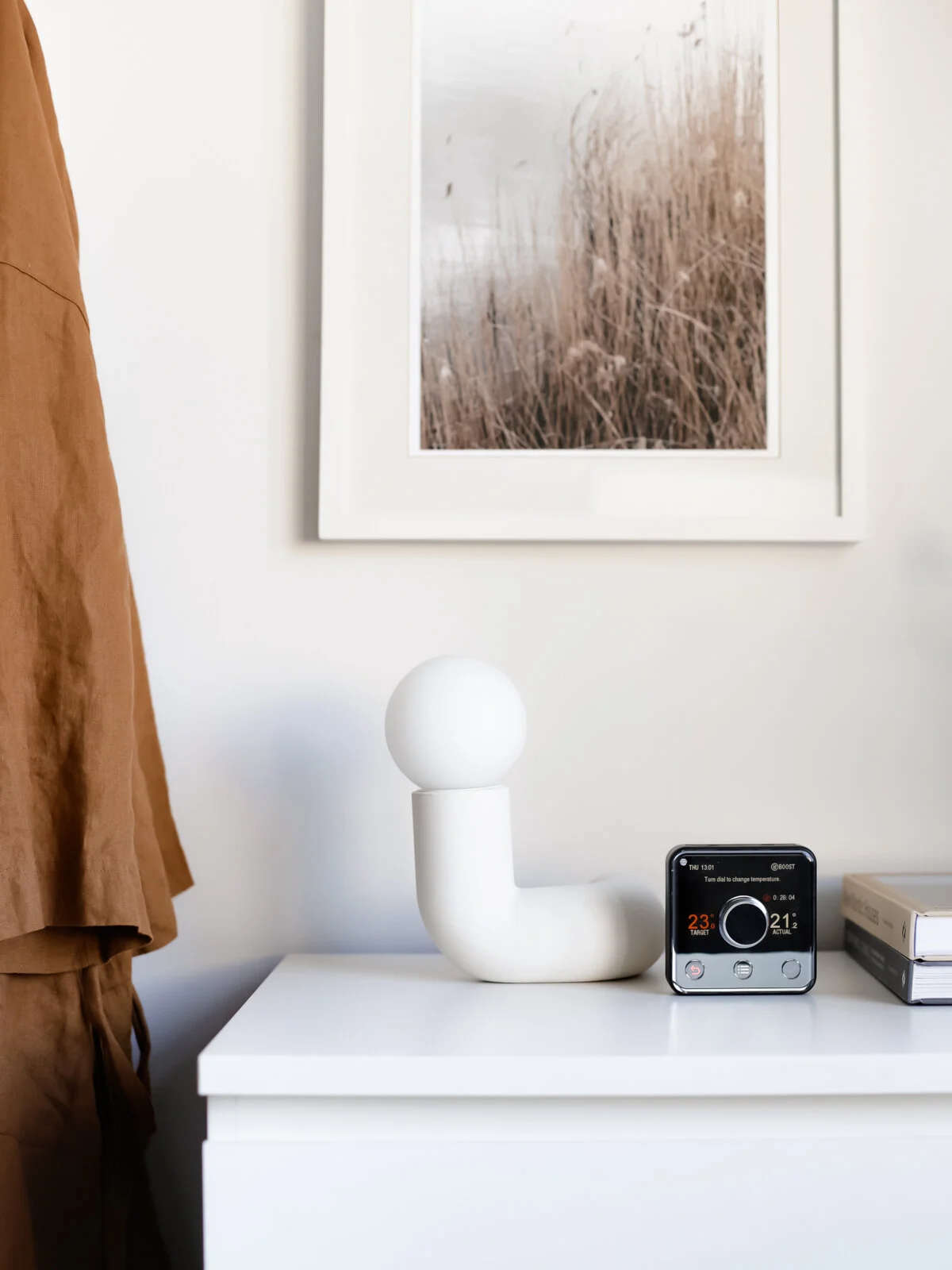
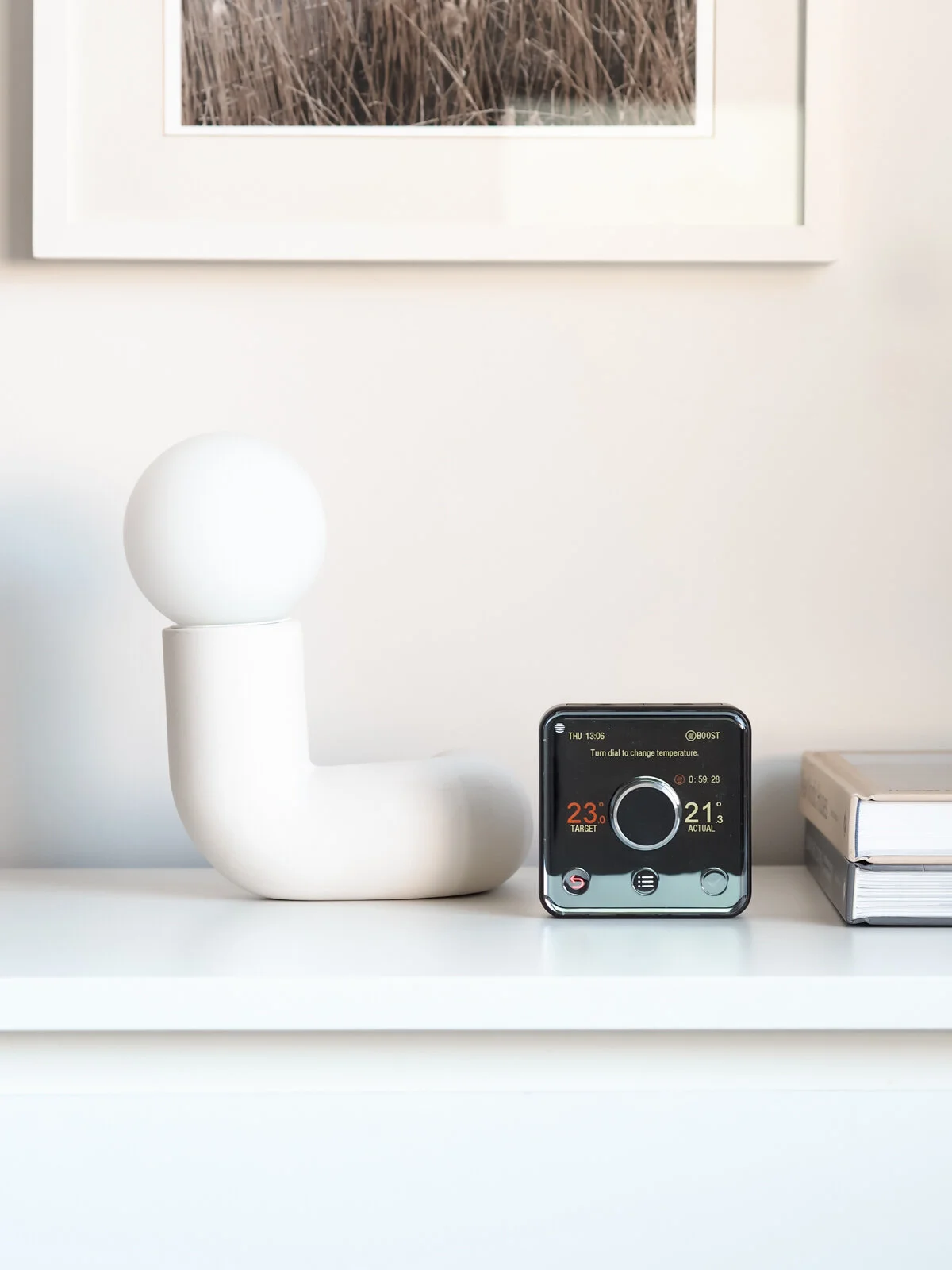
A smart thermostat allows you to control and customise your heating remotely from your smartphone, tablet or computer.
Installing one doesn’t in itself mean that you will automatically use less energy, but by giving you precise control over how you heat your home a smart thermostat can help you to establish good habits. This means that you are less likely to leave the heating on for too long, at too high a temperature or in parts of the house that you aren’t using regularly.
We recently installed Hive and I’m now wondering why we didn’t do it sooner. The thermostat is much more responsive than our old one and the app is simple and user friendly. I’ve set up a weekly schedule which I can view at a glance on the app and the ease of control means that I frequently check the current temperature in the house against it. I often find myself adjusting it so that we don’t allow the house to overheat more than is necessary. I can even set up the app to send me a notification when the temperature gets too high.
By being able to quickly and easily monitor the temperature I’ve found that I’ve become much more mindful of the amount of energy we’re using. It will be interesting to see what impact this has on our bills, but I’m pretty sure we are now using less than we were.
Smart radiator valves
Used in conjunction with a smart thermostat these allow each radiator to be programmed individually, helping you to manage the temperature of different rooms within your home. So you can turn the heating off in parts of the home that you aren’t using while continuing to heat the rooms you occupy most regularly.
Smart Meters
In the future there will be lots of other possibilities, for example washing machines that communicate with a smart meter and can be programmed to come on at the time of day when energy is cheapest and greenest.
To pave the way for this new ‘intelligent’ way of using electricity and help the UK work towards its goal of becoming carbon neutral by 2050 the old analogue meters in our homes will need to be replaced with smart meters. The information from these new meters will allow energy suppliers to more accurately anticipate the peaks and troughs in demand and enable them to better integrate renewable sources of energy.
With this in mind Smart Energy GB, the government backed campaign for a Smarter Britain, is encouraging more of us to upgrade to smart meters. They are seen as key to enabling the UK to create a more reliable, clean and affordable infrastructure that will allow the country to transition to the mass use of electric vehicles and build a greener economy.
Smart metres are available at no extra cost from your energy supplier and you can find out more about them and how to get one at Smart Energy GB


